
Why does my dog sniff everything? Understanding your dog’s nose
Ever wondered why your dog sniffs everything? Discover what they’re learning through their nose and why it matters.
Read more31 August 2026
When your dog gives you that look while you’re preparing dinner, it can be tempting to share whatever is on the chopping board. The good news is that some vegetables can make nutritious, lower-calorie treats for dogs when they’re prepared and portioned appropriately.
Vegetables shouldn’t replace a complete and balanced dog food, but they can add variety to your dog’s treat rotation. Veterinary nutrition guidance recommends keeping treats and snacks to no more than around 10% of your dog’s daily calorie intake, with the majority of their nutrition coming from their regular complete and balanced diet.
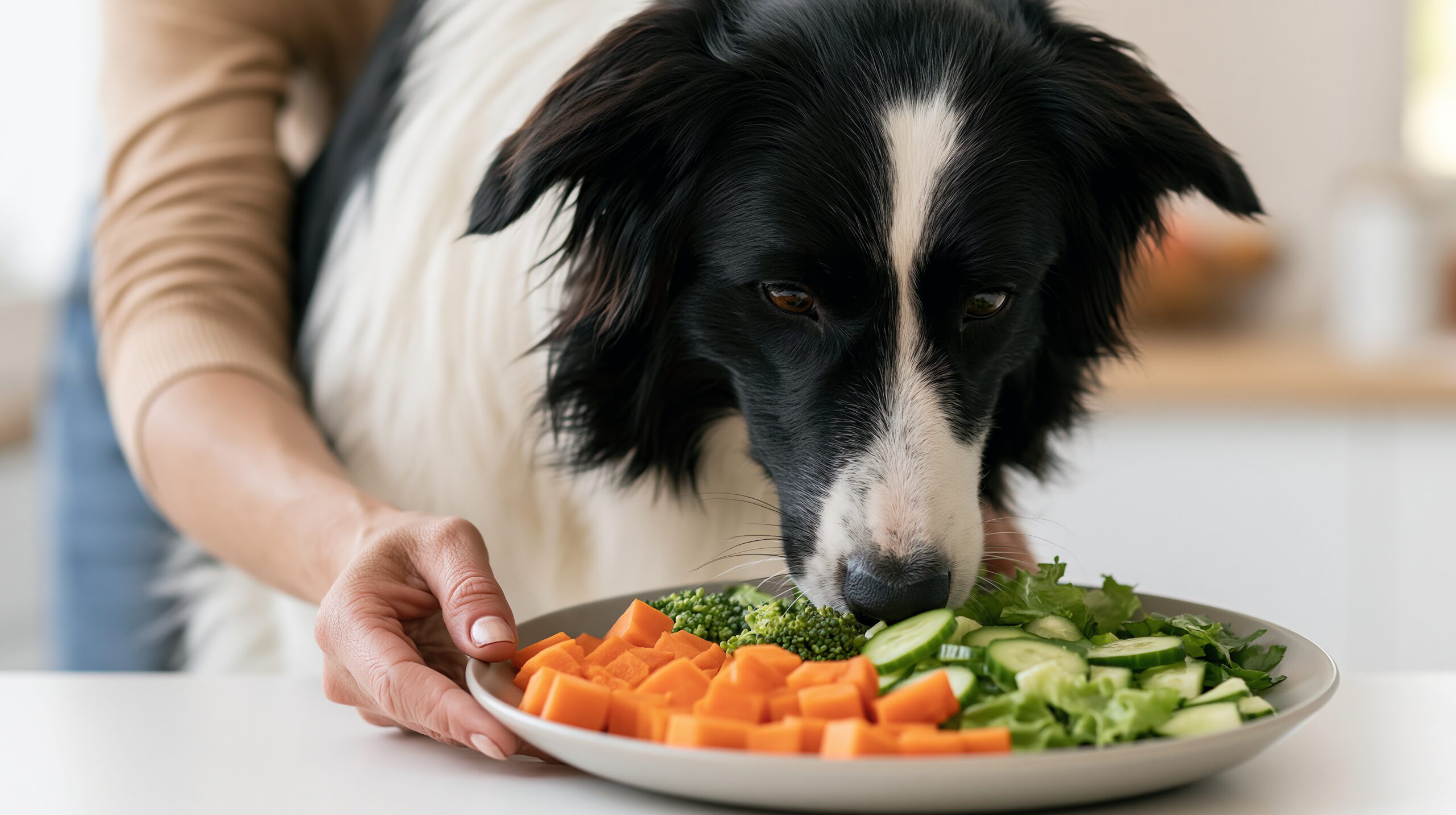
So, which veggies can you share?
Crunchy, naturally sweet and easy to portion, carrots are one of the simplest vegetables to offer your dog.
Carrots contain fibre and beta-carotene, which the body converts into vitamin A. They’re also relatively low in calories compared with many traditional dog treats. VCA Animal Hospitals lists both raw and cooked carrots among suitable treat options for dogs.
Their crunch can also make them satisfying for dogs that enjoy chewing. VCA notes that crunchy vegetables such as carrots may help scrape food from the teeth, although they aren’t a substitute for regular brushing or professional dental care.
How to serve: Wash thoroughly and offer raw or cooked without salt, oil, butter or seasoning. Cut carrots into pieces appropriate for your dog’s size rather than giving large pieces that may pose a choking risk.
Green beans are particularly useful if you’re looking for a lighter treat.
They contain fibre and several vitamins while being relatively low in calories. Water-rich vegetables such as green beans are frequently recommended by veterinary professionals as an alternative to more calorie-dense snacks.
For dogs that love a crunch, you can even experiment with fresh or frozen green beans.
How to serve: Offer fresh, steamed or boiled green beans without salt, sauces, butter or seasonings. Cut long beans into manageable pieces.
Plain pumpkin can be a handy addition to your dog’s occasional treat menu.
Pumpkin contains soluble and insoluble fibre, and veterinary sources commonly recommend plain cooked pumpkin as a high-fibre treat option.
The important word here is plain. Pumpkin pie filling and pumpkin-flavoured desserts aren’t the same thing. They can contain added sugar, fats, spices or other ingredients that aren’t suitable for dogs.
How to serve: Use plain cooked pumpkin with no added ingredients. Small cubes or spoonfuls are plenty for most dogs.
Those little green florets aren’t just for your dinner plate. Broccoli can also be offered to dogs in moderation.
Broccoli provides fibre, vitamin C and other nutrients while being relatively low in calories. Veterinary nutrition guidance also includes water-based vegetables such as broccoli among lower-calorie snack choices.
How to serve: Raw or lightly steamed broccoli can be offered plain and chopped into small pieces. Keep portions modest, particularly when your dog is trying it for the first time.
For something particularly light and refreshing, cucumber is an easy option.
Cucumber is mostly water, making it a hydrating, low-calorie snack. Veterinary sources include cucumber among vegetables suitable for dogs and particularly useful when owners want an alternative to calorie-dense treats.
This can make cucumber pieces useful as small rewards during the day without reaching for a biscuit every time.
How to serve: Wash the cucumber and cut it into small pieces or slices suitable for your dog’s size. Serve it plain.
Sweet potato can make a tasty occasional treat, but unlike cucumber or green beans, it’s best served cooked.
Sweet potato provides fibre and nutrients including beta-carotene, vitamin A and vitamin C.
Because it’s more energy-dense than watery vegetables such as cucumber, portion size still matters.
How to serve: Cook thoroughly, allow it to cool and offer small pieces without butter, oil, salt or seasoning.
One of their biggest advantages is that many vegetables offer plenty of volume without the calorie load of some commercial treats.
This can be particularly useful for dogs that seem to think they deserve a reward every five minutes.
VCA notes that lower-calorie treats allow owners to potentially provide several small rewards rather than using up the dog’s treat allowance on one or two calorie-dense options.
Vegetables can therefore work particularly well for:
That doesn’t mean vegetables should become a significant part of your dog’s diet. Think of them as extras rather than nutritional necessities.
Even healthy treats can become unhealthy when there’s too much of them.
The World Small Animal Veterinary Association recommends that treats account for no more than 10% of a dog’s daily calorie intake. The remaining calories should come from a complete and balanced diet appropriate for the dog.
This matters because filling up on treats can both increase overall calorie intake and reduce the proportion of essential nutrients your dog receives from their balanced food.
If you’re doing lots of training, consider making vegetable pieces very small. Dogs don’t necessarily need a large piece of food every time they’re rewarded.
How you prepare vegetables can make the difference between a dog-friendly snack and something best left on your own plate.
Vegetables offered to dogs should generally be plain, without butter, oils, salt, sauces or seasoning. VCA recommends serving suitable vegetables raw or cooked without these additions.
It’s also a good idea to wash fresh produce thoroughly and remove hard stems, thick rinds, pits, cores and other parts that could present choking or gastrointestinal obstruction risks.
Cut food according to your dog’s size and eating habits. A tiny cube for a Chihuahua and an appropriate piece for a Labrador obviously won’t look the same.
Not everything in the vegetable drawer is safe to share.
Most importantly, dogs should not be given onions, garlic, leeks, shallots or chives. These vegetables belong to the Allium family.
Allium species contain compounds capable of causing oxidative damage to a dog’s red blood cells, potentially resulting in haemolytic anaemia. Importantly, onions and garlic can remain dangerous when they’re raw, cooked, dehydrated or powdered.
This is also why sharing seasoned leftovers can be risky. Onion and garlic powders can be hidden in sauces, marinades, stocks and seasoning mixes even when there aren’t obvious pieces of onion in the food.
Other foods that veterinary sources recommend keeping away from dogs include grapes, raisins, currants, macadamia nuts, chocolate, xylitol-containing products and alcohol.
Just because a vegetable is considered dog-friendly doesn’t necessarily mean it will agree with your dog.
Suddenly introducing unfamiliar foods can cause gastrointestinal upset, and individual dogs may have sensitivities to particular ingredients. VCA recommends introducing new fruits and vegetables one at a time and initially in small amounts.
Keep an eye out for vomiting, diarrhoea, excessive gas or other unusual symptoms after introducing something new.
Dogs with medical conditions, food allergies or sensitivities—or those eating a veterinary therapeutic diet—may also need different treat choices. In these situations, check with your veterinarian before adding new foods.
Carrots, green beans, pumpkin, broccoli, cucumber and sweet potato can all give your dog something different to enjoy without relying solely on traditional dog biscuits.
The key is to keep things simple: plain preparation, small portions and occasional feeding.
Your dog’s everyday food should still do the heavy lifting nutritionally. But when those puppy-dog eyes appear while you’re chopping carrots? A small dog-friendly piece can make a pretty good treat.
References
WSAVA, VCA Hospitals