
How much does pet insurance cost in Australia?
Worried about vet bills? See average pet insurance costs in Australia and how to keep them low.
Read more23 March 2026
Dogs are experts at hiding how they feel. It’s not stubbornness or drama avoidance — it’s instinct. In the wild, showing vulnerability invites danger, so animals have evolved to mask illness and pain until it becomes impossible to hide.
The result for pet owners is a dog who seems completely fine right up until they really aren’t. By the time obvious symptoms appear — vomiting, collapse, refusal to eat for days — what started as something manageable may have become something much more serious.
The good news is that subtle signs almost always come first. The owners who catch illness early are usually the ones who know their dog well and know what ‘normal’ actually looks like for them. This guide covers eight of the most commonly missed early warning signs — and what to do when you spot them.
Every dog has lazy days. A long walk the day before, a bit of heat, a disrupted sleep — these all explain a quieter-than-usual afternoon. The difference between ‘a bit tired’ and ‘something’s not right’ comes down to pattern and context. Lethargy that’s uncharacteristic, persists for more than a day or two, or occurs without an obvious explanation is worth paying attention to.
If your dog has been unusually quiet or flat for more than 24–48 hours without an obvious reason (hot day, extra exertion), it’s worth calling your vet. Lethargy is a non-specific symptom – it can indicate dozens of things from a minor infection to anaemia to organ disease – which is exactly why it shouldn’t be dismissed as ‘just tired’.
Lethargy combined with any other symptom on this list – especially appetite loss, changes in drinking or unusual breathing — should prompt a vet visit sooner rather than later. The combination of signs matters as much as any single sign.
A dog skipping a meal isn’t unusual – stress, excitement, hot weather or a recent treat-heavy day can all put a dog off their food temporarily. But appetite is one of the clearest indicators of overall health, and when a dog stops eating consistently or loses interest in food they’d normally inhale, it’s often the first sign something is off.
One skipped meal in an otherwise healthy, energetic dog is rarely cause for alarm. Two or more consecutive missed meals, or noticeably reduced interest in food over several days, warrants a vet call. In puppies and small breeds, even 12–24 hours without eating can cause dangerous drops in blood sugar – don’t wait.
Sudden loss of appetite in older dogs should always be taken seriously. It’s one of the most common early signs of conditions like kidney disease, dental pain, liver problems and cancer – all of which are far more manageable when caught early.
Drinking more or less than usual is one of those signs that slips under the radar because it requires you to be paying attention in the first place. Most owners don’t monitor water intake closely — but it’s one of the most useful health indicators there is. Increased thirst (polydipsia) and increased urination together are classic early markers of several serious conditions. Decreased drinking is less commonly noticed but equally important.
If you notice your dog drinking or urinating more than usual for more than a day or two, book a vet appointment. Increased thirst and urination together are associated with conditions including diabetes mellitus, Cushing’s disease, kidney disease, and pyometra (in non-spayed females) – all of which are treatable when caught early but can progress rapidly if they’re not.
A useful trick: fill your dog’s water bowl to the same level each morning and check how much has been consumed at the end of the day. You don’t need to measure obsessively – just notice if the pattern changes significantly over a week.

You know your dog. You know their personality, their quirks, their daily routines and what makes them tick. Which means you’re actually better placed than anyone to notice when something about their behaviour feels off — even if you can’t immediately put your finger on what’s different. Behaviour changes are often dismissed as ‘a phase’ or personality shift, but in dogs, they’re frequently a response to physical discomfort or pain.
Behaviour changes that appear suddenly, persist for more than a few days, or are accompanied by any physical symptoms should be assessed by a vet. Sudden aggression in a previously gentle dog, in particular, is often pain-related and shouldn’t be attributed to attitude without ruling out a physical cause first.
Cognitive changes in older dogs – confusion, disorientation, getting stuck in corners, waking and vocalising at night – can be signs of canine cognitive dysfunction (similar to dementia in humans). It’s a manageable condition, but owners often write it off as ‘just getting old’ for months before seeking help.
The occasional upset stomach is part of life with a dog. They eat things they shouldn’t, drink from puddles, raid the bin. But digestive symptoms that are frequent, recurring, or accompanied by other signs of illness are worth taking seriously. Chronic low-grade digestive issues are one of the most underreported early signs of conditions like inflammatory bowel disease, food intolerance, intestinal parasites, and pancreatitis.
Blood in vomit or faeces is always a reason to contact your vet that day. Recurring digestive issues – soft stools, vomiting or excess gas multiple times a week – also warrant investigation rather than repeated doses of bland food and hope. Many underlying causes are straightforward to manage once identified.
Healthy dogs breathe quietly and without effort at rest. Changes in breathing are easy to miss if you’re not looking, but they’re one of the more significant early warning signs – particularly because respiratory symptoms can indicate problems well beyond the lungs, including heart disease, anaemia and pain. A dog’s normal resting respiratory rate is around 15–30 breaths per minute. Getting a sense of your own dog’s baseline is genuinely useful.
Any sudden change in breathing, laboured breathing, or breathing with visible effort at rest should be assessed by a vet urgently. For subtler changes – a new cough, slightly faster breathing at rest, or reduced stamina – book a routine appointment within a few days. Don’t assume it’s allergies or ‘just a cold’ without getting a professional opinion.
A new or worsening cough in middle-aged to older dogs should always be checked. Coughing after exercise or when lying down can be an early sign of heart disease – a very common condition in dogs that is manageable when caught early.
Gradual weight change is one of the easiest things to miss — you see your dog every day, so slow shifts in body condition often go unnoticed until they’re quite significant. Both unexplained weight loss and unexplained weight gain can signal underlying health issues, and they’re worth monitoring deliberately rather than relying on visual impression alone.
Unexplained weight loss of more than 10% of body weight, or rapid weight gain with no dietary explanation, should be assessed by a vet. Weight loss despite a normal or increased appetite is particularly significant and can indicate conditions like diabetes, hyperthyroidism (in some breeds), intestinal malabsorption or parasites.
Get in the habit of running your hands along your dog’s ribs every couple of weeks. You should be able to feel the ribs easily but not see them prominently. If you can’t feel them at all, or if they’re becoming noticeably prominent, that’s useful data – and it takes about 10 seconds.
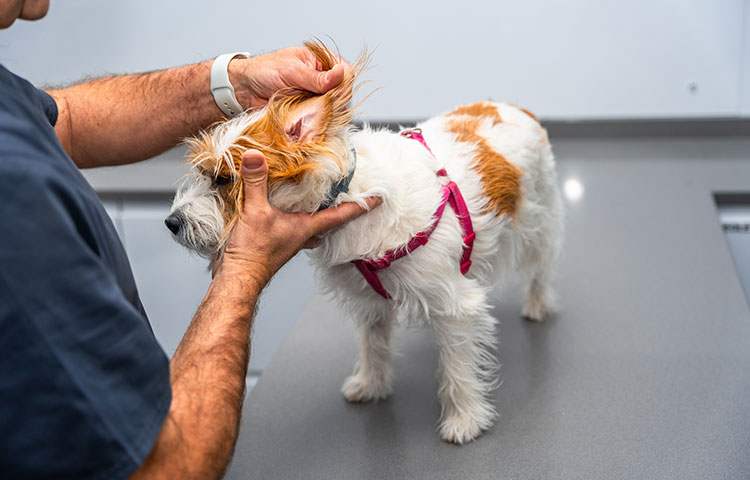
A dog’s coat is a visible reflection of their internal health. Nutritional deficiencies, hormonal imbalances, allergies, parasites and a range of skin conditions can all show up here before they produce other symptoms. The challenge is that changes often happen gradually, and what’s become normal in your home environment may not actually be normal for your dog.
Occasional scratching is normal. Persistent scratching, licking or chewing – especially if it’s concentrated in specific areas – usually indicates something worth investigating: allergies, skin infection, parasites or an underlying systemic condition. Recurring ear infections should also be assessed rather than repeatedly treated with the same product, as they often have a root cause that’s being missed.
Any new lump or bump is worth having checked by a vet, particularly in middle-aged and older dogs. Most turn out to be benign, but some need prompt treatment – and the only way to know is to have it assessed. Don’t apply the ‘wait and see’ approach to growths for longer than a few weeks.
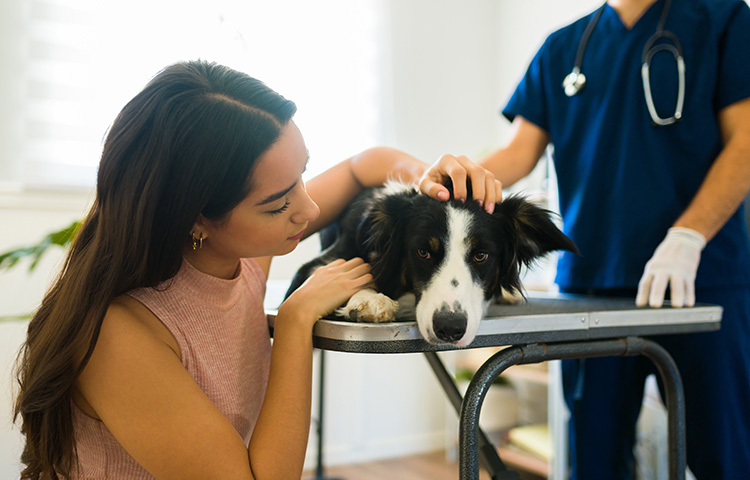
Not every unusual day requires an urgent vet visit. Here’s a practical way to think about urgency:
The single biggest factor in catching illness early is knowing what ‘normal’ actually looks like for your individual dog. A dog who naturally drinks a lot of water is different from one who doesn’t. An inherently quiet, low-energy dog is different from a normally boisterous one who’s suddenly gone flat.
Pay attention to your dog’s baseline behaviours – their typical energy, appetite, water intake, coat condition and temperament. Note it if you like. That knowledge is the thing that puts you in the best position to notice when something has changed, even subtly.
Annual vet check-ups also matter more than people realise. A vet who sees your dog regularly has a baseline to compare against too – and routine blood work can catch changes in organ function before they cause visible symptoms.
Dogs are stoic. They don’t complain. They keep showing up – tail wagging, ready for the walk – even when they’re not feeling great. The quiet, early signs in this article are how their bodies speak when their behaviour won’t.
You don’t need to be a vet to pick up on these things. You just need to know your dog, pay attention to changes, and have the confidence to call when something doesn’t seem right.
Catching illness early is almost always better – better for your dog’s recovery, and kinder on your wallet too.
When treatment is needed, the cost shouldn’t be what stops you saying yes. CoverMy Pet insurance helps make sure it isn’t.
Find out more about dog insurance