
Why does my dog sniff everything? Understanding your dog’s nose
Ever wondered why your dog sniffs everything? Discover what they’re learning through their nose and why it matters.
Read more1 October 2026
Caring for a dog involves much more than feeding them, taking them for walks and booking their vaccinations. Some of the most useful things you can do for your dog’s health are the small checks and routines that happen at home.
Brushing their teeth, looking over their paws or simply getting familiar with how their ears normally look and smell can make it easier to notice when something changes.
There isn’t one perfect schedule for every dog. Breed, age, coat type, activity level and existing health conditions can all influence what they need. But these everyday dog-care habits can provide a useful starting point.
Dental care is one of those jobs that can be easy to put off, particularly if your dog isn’t thrilled about having a toothbrush near their mouth.
However, regular brushing is one of the most effective forms of at-home dental care.
Plaque continually forms on the teeth. If it isn’t removed, it can harden into tartar and contribute to inflammation of the gums and periodontal disease. Greencross Vets recommends daily brushing to help control plaque build-up and advises using toothpaste specifically designed for pets rather than human toothpaste.
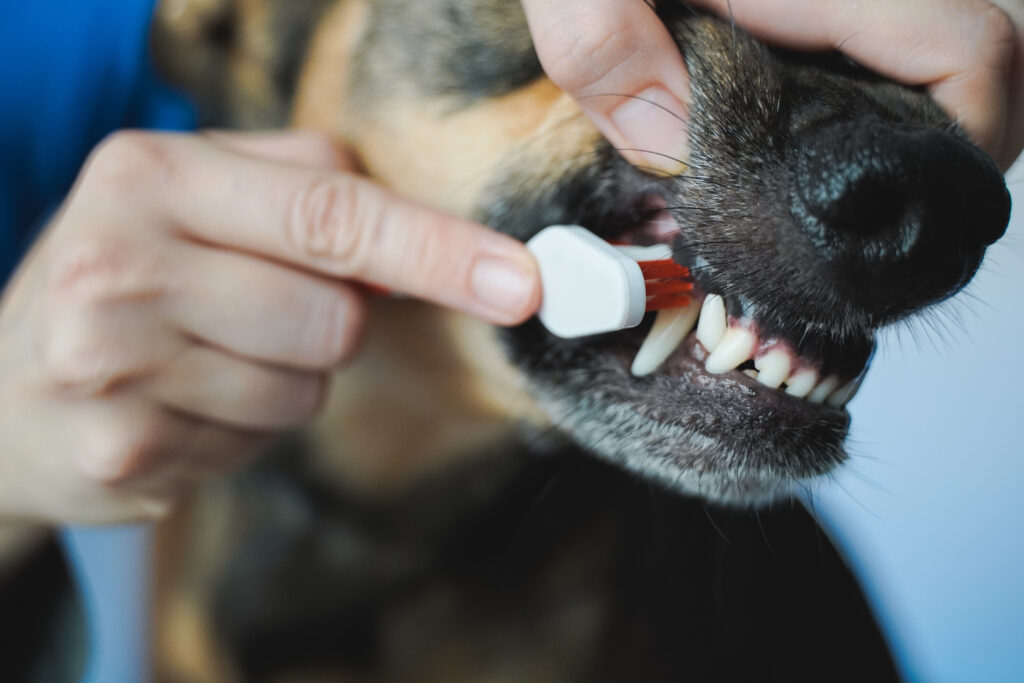
If you have never brushed your dog’s teeth before, there is no need to jump straight into a full brushing session.
Start gradually by allowing them to become comfortable with you touching around their mouth. You can then introduce a dog toothbrush and pet-safe toothpaste for very short periods, rewarding calm behaviour as you go.
Eventually, aim to gently brush along the outside surfaces of the teeth and gum line.
Never use human toothpaste unless your veterinarian specifically tells you otherwise. Some ingredients intended for people are unsuitable for dogs.
Keep an eye out for signs including:
These warrant a conversation with your veterinarian rather than simply increasing the amount of brushing you do.
Brushing isn’t only about keeping your dog looking tidy. It can help remove loose fur and debris, prevent tangles and give you an opportunity to check the condition of their skin.
How frequently you need to brush will depend heavily on the dog in front of you.
A short-coated dog may require relatively little grooming, while long-haired, curly-coated and double-coated breeds can require considerably more maintenance. Greencross Vets notes that coat care may involve different combinations of brushing, combing, clipping and bathing depending on the individual animal.
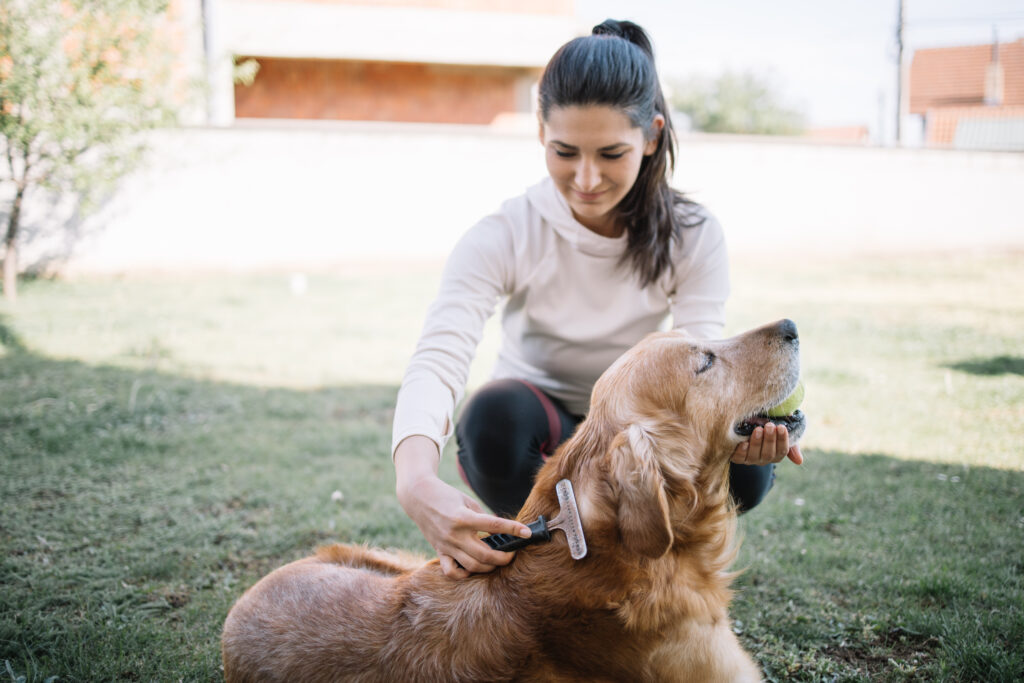
While brushing, look and feel for:
Pay particular attention to areas that can be easily missed, such as behind the ears, beneath the collar, under the legs and around the paws.
If your dog’s coat becomes heavily matted, avoid simply cutting at the mat with scissors close to the skin. A professional groomer or veterinary team can advise you on the safest way to deal with it.
Your dog spends a significant amount of time on their bed, so it inevitably collects hair, dirt, saliva and whatever else they have carried home from their daily adventures.
For many households, washing bedding roughly once a week is a sensible routine. However, there is no need to treat seven days as a strict medical deadline.
A dog that spends lots of time outdoors, swims frequently, has had a muddy walk or sheds heavily may need their bedding cleaned more often.
Check the care instructions for the bed itself and wash removable covers, blankets and washable inserts as appropriate. Make sure everything is completely dry before giving it back to your dog.
It’s also worth vacuuming around the bed and cleaning any crates, mats or favourite sleeping spots regularly.
If your dog has an ongoing skin condition, allergy, flea problem or infectious illness, speak with your vet about whether you need a different cleaning routine.
Running your hands over your dog regularly helps you learn what is normal for them.
That’s useful because dogs naturally have plenty of bumps and structures beneath their coat that can feel unfamiliar at first. Once you know your dog’s body, you’re more likely to notice something genuinely new.
Greencross Vets recommends checking dogs regularly for lumps and having new or changing lumps professionally assessed, as their appearance alone doesn’t necessarily reveal what they are.
Slowly run your fingers over your dog’s:
If you find something unusual, make a note of where it is. You can also keep track of its approximate size so you can recognise whether it changes.
See your veterinarian if you notice a new lump, particularly if it grows quickly, becomes painful, bleeds, changes texture or appears to bother your dog.
Don’t try to diagnose a lump based purely on whether it feels hard, soft or movable. Different types of lumps can feel surprisingly similar, and a veterinarian may recommend taking a sample to identify what it actually is.
Healthy dog ears shouldn’t generally have a strong unpleasant smell, significant redness or large amounts of abnormal discharge.
Looking at them about once a week can help you become familiar with what’s normal for your dog. Vetwest similarly recommends weekly ear checks for many pets, with more frequent monitoring for dogs that are prone to ear problems.
Dogs with allergies, frequent ear infections, floppy ears or a love of swimming may require closer monitoring.
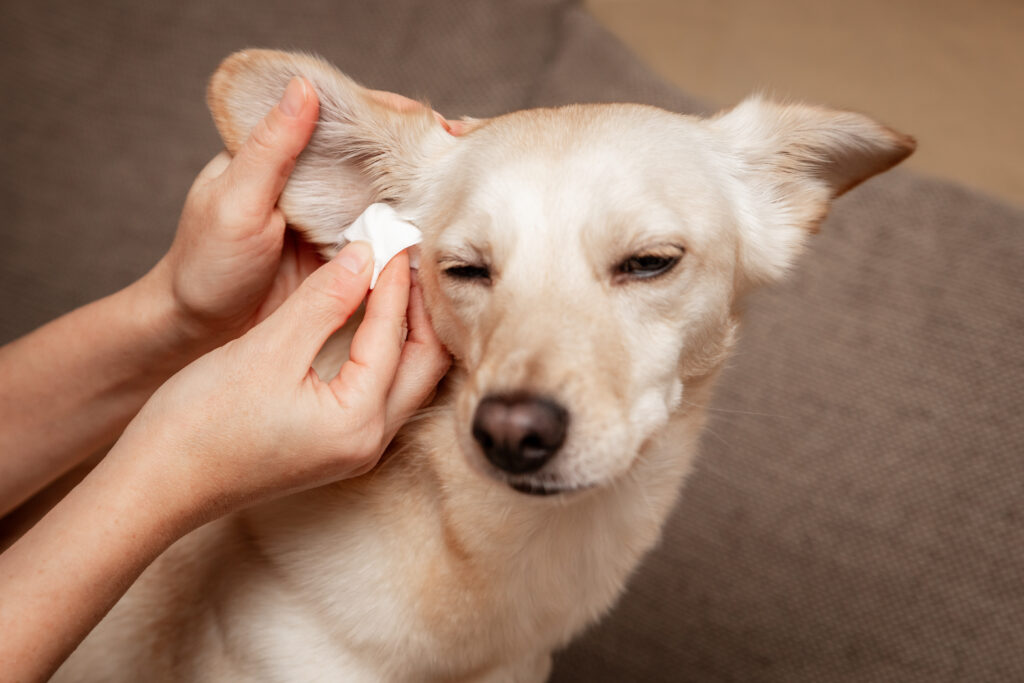
Watch for:
Grass seeds can also find their way into dogs’ ears, particularly during the warmer months when dry grasses are common.
If something doesn’t look right, have your vet examine the ear rather than repeatedly cleaning it yourself. Ear irritation can have several causes, and treatment depends on what is happening inside the ear canal.
Avoid inserting cotton buds deeply into your dog’s ears.
Dog nails grow continuously, but how quickly they require trimming varies enormously.
Dogs that regularly walk on harder surfaces may naturally wear their nails down more than dogs that spend most of their time on soft grass or indoors. Age, activity level and individual nail growth also make a difference.
Rather than relying entirely on a calendar, regularly look at how long your dog’s nails are becoming.
Signs they may need attention include nails that:
Don’t forget the dewclaws either. Because they may not touch the ground, they generally receive little natural wear.
Dog nails contain a blood vessel and nerve commonly known as the quick, so cutting too short can be painful and cause bleeding. If you’re unsure where to trim — particularly with dark nails — ask your veterinarian, vet nurse or professional groomer to show you.
Your dog’s paws encounter hot surfaces, gravel, sticks, grass, mud and plenty of other potential irritants.
A quick check when you return from walks can help you spot problems early.
Look around the paw pads, between the toes and through any longer fur for:
Grass seeds deserve particular attention during spring and summer. Vetwest notes that seeds commonly become lodged between dogs’ toes and can migrate beneath the skin, sometimes causing painful abscesses. They recommend checking the coat, paws and areas between the toes after dogs have been around grassy areas.
If your dog suddenly starts licking one paw repeatedly, limping or holding a paw off the ground, investigate carefully and contact your vet if you cannot identify the cause.
These schedules are useful guides rather than fixed rules.
A long-haired dog may need brushing every day. A dog with recurring ear issues might require more regular checks. Another dog may naturally keep their nails relatively short through exercise.
The bigger goal is to develop a routine that makes you familiar with what’s normal for your dog.
When you regularly handle their paws, look inside their ears, brush their coat and check their body, small changes can become much easier to spot.
And if anything feels unusual, painful or noticeably different, your vet or another suitably qualified pet professional can help you work out what your individual dog needs.