
Why do cats love looking out the window?
Is your cat glued to the window? Discover why cats love watching the outside world and what it means for their behaviour
Read more17 March 2026
Vet costs in Australia have gone up – and they haven’t stopped. A routine consultation that once set you back $80 can now tip over $150. Throw in a specialist referral, some diagnostic tests, and an overnight stay, and you’re suddenly looking at a bill in the thousands.
Pet insurance exists to take that financial sting away. But with so many policies on the market, comparing them can feel like reading a different language. Annual limits, co-payments, waiting periods, benefit percentages – it’s a lot to take in, especially when you just want to do right by your pet.
This guide breaks it all down, so you can compare policies with confidence and choose cover that actually works for you.
Jump to:
The cover limit is the maximum amount an insurer will pay out. It sounds simple, but there are two different types, and the difference matters.
An annual limit is the total amount you can claim across all conditions in a single policy year. If your policy has a $5,000 annual limit, that’s the most you’ll receive – regardless of how many different things happen to your pet that year.
Some policies cap how much they’ll pay per condition, rather than (or as well as) having an annual limit. So even if your annual limit is $8,000, a per-condition cap of $2,000 could leave you significantly out of pocket for a complex or ongoing health issue.
For routine illnesses, lower limits are often fine. But for serious treatments, the numbers add up fast. Orthopaedic surgery – like a cruciate ligament repair – can cost $4,000 to $6,000 or more. Cancer treatment, including chemotherapy and specialist care, can run to $10,000 or beyond. A policy with a low annual or per-condition limit could leave you covering a significant portion of that bill yourself.
Tip: Choose a limit that gives you room to breathe if something serious happens. For most dogs and cats, an annual limit of $4,000–$8,000 provides solid cover for most situations.

Most pet insurance policies don’t cover 100% of your vet bill. Instead, they reimburse a set percentage of your eligible costs – typically between 70% and 90%, though some policies go higher.
“Eligible costs” means the portion of your bill that your policy actually covers – after any exclusions, non-covered treatments or benefit limits have been applied. So, if your $3,000 vet bill includes $500 worth of treatments your policy doesn’t cover, the reimbursement percentage is calculated on $2,500, not $3,000.
Here’s how it plays out in practice. Say your dog needs surgery and the bill comes to $3,000.
| Reimbursement rate | Vet bill | Insurer pays the reimbursement % | You pay the remainder |
|---|---|---|---|
| 70% | $3,000 | $2,100 | $900 |
| 80% | $3,000 | $2,400 | $600 |
| 85% | $3,000 | $2,550 | $450 |
| 90% | $3,000 | $2,700 | $300 |
Note: these figures are before any excess is applied. The excess comes off first — more on that below.
What to look for: A higher reimbursement percentage means less out of pocket, but it usually comes with a higher premium. Think about what balance makes sense for your budget — the cheapest policy isn’t always the best value.
Waiting periods are the gap between when your policy starts and when you can make a claim. Every pet insurer has them, and for good reason – without them, people could take out cover the moment their pet got sick and claim straight away.
The key thing to know: if your pet shows symptoms of a condition during a waiting period, that condition is likely to be treated as pre-existing – meaning it won’t be covered. This is why it pays to insure your pet while they’re young and healthy, before anything goes wrong.
What to look for: Check the waiting period for the conditions most relevant to your pet’s breed. Some breeds are prone to specific issues like hip dysplasia or joint problems, so a long waiting period for those conditions is worth knowing about upfront. Our waiting periods can be found in our policy documents.
An excess is the amount you contribute to a claim before the insurer pays their share. Think of it as a self-insurance buffer – it keeps premiums lower in exchange for you covering a portion of each claim.
This is a distinction a lot of people miss, and it can make a big difference.
For example: a $200 per-claim excess across five claims in a year costs you $1,000 out of pocket before the insurer contributes anything. A $200 annual excess costs you $200 total, regardless.
Generally, a higher excess means a lower monthly premium – and vice versa. If your pet is young and healthy and you’re comfortable absorbing smaller costs, a higher excess could be a smart way to keep premiums manageable. If you’d rather minimise out-of-pocket costs at claim time, opt for a lower excess.
What to look for: Check whether excess is annual or per-claim. Then do the maths — a cheaper premium with a high per-claim excess can end up costing more overall if your pet needs frequent treatment.
This is one of the most important things to understand when comparing policies, because the type of policy determines how long a condition will be covered – not just whether it’s covered.
Covers injuries and accidents – but not illness. It’s the most affordable option, but it won’t help if your pet develops an infection, a chronic condition, or cancer. Suitable for owners on a tight budget who want some protection, but it leaves a significant gap.
Covers both accidents and illnesses, but only for a set period per condition – typically 12 months from the first claim. Once the time limit runs out, that condition is excluded from future claims. Not ideal for chronic or ongoing conditions.
The most comprehensive option. Covers accidents and illnesses for the life of your pet, as long as you renew your policy each year. Conditions don’t get dropped after a set period. If your pet develops diabetes, allergies, or arthritis – conditions they’ll have forever – lifetime cover keeps paying out year after year.
What to look for: If you want genuine peace of mind, lifetime cover is worth the extra cost. It’s the only policy type that won’t leave you without cover the moment a condition becomes chronic.
Standard accident and illness cover is the core of any good policy. But some insurers offer optional extras that are worth factoring in, depending on your pet and your lifestyle.
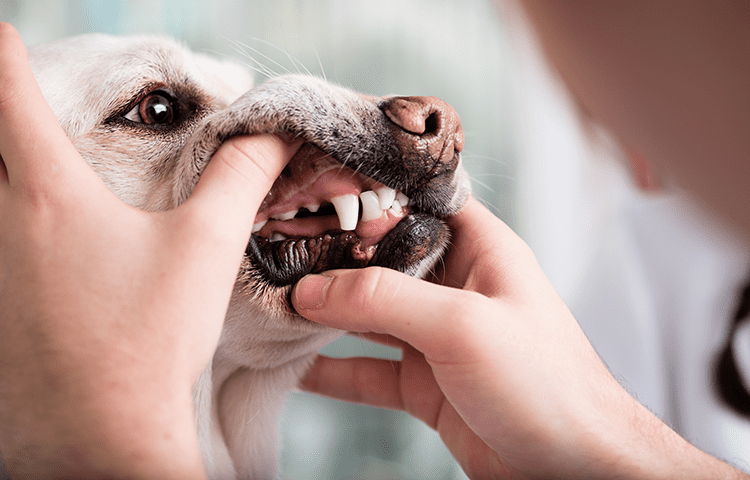
Covers conditions like gum disease, tooth resorption or oral infections. Not the same as dental accidents (which are often included in standard cover). Useful for breeds prone to dental issues, or older pets.
Covers consultations with a veterinary behaviourist for issues like separation anxiety, phobias or compulsive behaviour. Particularly relevant for rescue animals or certain anxious breeds.
Acupuncture, hydrotherapy, physiotherapy — these can be genuinely beneficial for recovery or ongoing management of conditions like arthritis or post-surgical rehab. Not always covered as standard, so check the fine print.
Some policies include a benefit to cover emergency boarding costs if you’re hospitalised and can’t care for your pet. A small but potentially very handy feature.
At CoverMy Pet, we keep things focused on what matters most – vet fee cover for accidents and illness, without loading up the price with extras you might never use. But if extras matter to you, it’s worth comparing what different insurers include.
When you’re comparing policies side by side, run through these questions:
There’s no single ‘best’ pet insurance policy – the right choice depends on your pet’s age, breed, your budget, and how much risk you’re comfortable carrying yourself. But the more you understand what you’re comparing, the better decision you’ll make.
The main things to get right: make sure your cover limit is realistic for serious treatment costs, understand exactly how the excess works, and choose a policy type that won’t leave your pet uninsured the moment something becomes an ongoing problem.
And as always – read the policy documents before you commit. It’s not the most exciting Saturday afternoon reading, but it’s the only way to know exactly what you’re buying.
Want to see how CoverMy Pet stacks up? Get a quote online in a few minutes — no fluff, just straightforward cover for your dog or cat.
Get a quote