
A young blonde boy and an elderly dog lying side-by-side on the floor.
Signs your dog might be sick - that owners often miss
Eight often missed signs your dog may be sick, plus early warnings and when to see a vet.
Read more24 March 2026
Dogs are not fussy. They will eat something they found in the gutter, then look at you like it was a five-star meal. It’s one of the things we love about them – but it’s also why knowing what’s dangerous in and around your home matters so much.
The foods on this list aren’t rare or hard to come by. In fact, most of them are probably sitting in your kitchen right now, from your morning brekkie to your weekend BBQ spread. The tricky part is that many Aussie dog owners don’t realise just how harmful these everyday foods can be, with some causing serious issues within hours.
This isn’t meant to be alarmist. It’s meant to be useful. Print it out, stick it on the fridge, share it with whoever feeds your dog. The more people in your household who know this, the safer your dog is.
Jump to:
Chocolate contains theobromine and caffeine – two compounds dogs can’t metabolise the way humans can. The darker the chocolate, the more dangerous it is. Dark chocolate and baking chocolate are the highest risk; milk chocolate and white chocolate less so, but still harmful in sufficient quantities. Even a small amount can cause serious problems in a small dog.
Contact your vet immediately if your dog has eaten any amount of chocolate – don’t wait for symptoms to develop. The sooner treatment begins, the better the outcome.
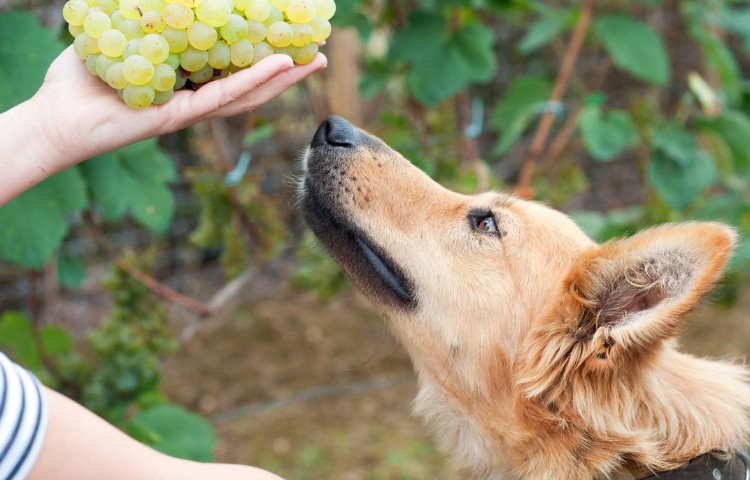
The exact toxic compound in grapes and raisins hasn’t been fully identified, which makes them especially unpredictable. Some dogs eat grapes with no apparent effect; others develop acute kidney failure from a small amount. Because there’s no established ‘safe’ dose, all grapes, raisins, sultanas and currants – including in foods like fruit cake, hot cross buns and trail mix – should be treated as high-risk.
In some cases, symptoms may be delayed by 24–48 hours. Seek veterinary attention immediately if your dog has consumed any amount of grapes, raisins or sultanas. Kidney failure can develop rapidly and may not be reversible if treatment is delayed.
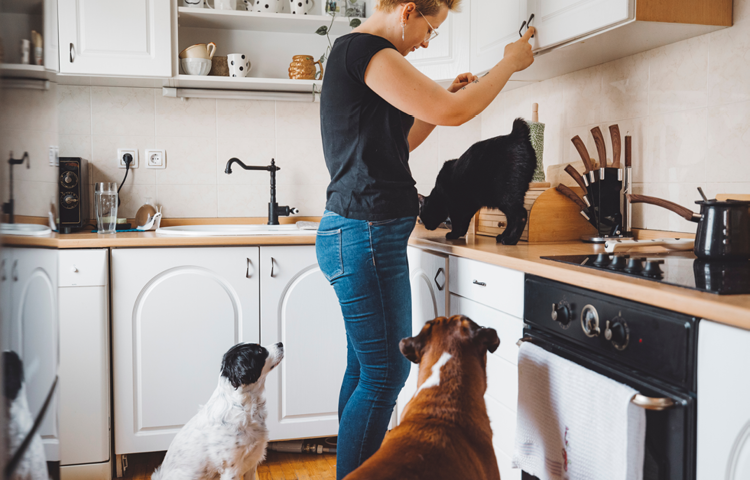
All members of the allium family — onions, garlic, leeks, shallots, chives — are toxic to dogs. They contain compounds that damage red blood cells, leading to haemolytic anaemia. Garlic is considered more potent than onion by weight. Cooked, raw, powdered and dehydrated forms are all harmful. This includes garlic bread, onion powder in seasonings, and soups or gravies made with onion.
Contact your vet if you know or suspect your dog has eaten any significant quantity of onion or garlic. This is particularly important if your dog is small or has eaten a concentrated form like garlic powder.
Xylitol is a sugar substitute found in sugar-free gum, some peanut butters, lollies, chewable vitamins, mouthwash and certain baked goods. In dogs, it triggers a rapid and severe release of insulin, causing dangerous hypoglycaemia (low blood sugar). At higher doses it can also cause acute liver failure. Xylitol is one of the fastest-acting food toxins for dogs — effects can begin within 30 minutes.
This is a genuine emergency. If you suspect your dog has consumed any product containing xylitol, contact your vet or an emergency animal hospital immediately — do not wait for symptoms.

Dogs are far more sensitive to alcohol than humans. Even small amounts of beer, wine, spirits or foods containing alcohol (like rum cake, trifle or certain sauces) can cause alcohol poisoning. The same goes for ethanol found in some raw bread doughs — as yeast ferments in the stomach, it produces alcohol that’s rapidly absorbed into the bloodstream.
Symptoms typically appear within 30–60 minutes. Contact your vet immediately, as alcohol toxicity in dogs can deteriorate rapidly and requires prompt veterinary treatment.
Macadamia nuts are native to Australia and uniquely toxic to dogs, though the exact mechanism isn’t yet fully understood. The good news is that deaths are rare. The bad news is that even a few nuts can cause significant short-term illness, and macadamias are often found in biscuits, chocolates and trail mixes — which increases the risk of accidental ingestion.
Symptoms typically develop within 12 hours and generally resolve within 24–48 hours, but can be more serious if consumed with chocolate. Contact your vet if your dog has eaten macadamia nuts, particularly if they also consumed chocolate, as a vet assessment can help rule out complications and manage symptoms.
Avocado contains persin, a fungicidal toxin found in the leaves, skin, seed and flesh of the fruit. Dogs are more resistant to persin than some other animals (like birds and rabbits), but large amounts of avocado flesh can still cause vomiting and diarrhoea. The avocado seed poses a separate risk — it’s the right size to cause a serious intestinal obstruction if swallowed.
Contact your vet if your dog has eaten a large amount of avocado or has swallowed the seed. Seed ingestion is a potential emergency requiring immediate assessment.
This one surprises a lot of people. Raw bones are generally considered safer for dogs; cooked bones are not. Cooking makes bones brittle, meaning they can splinter into sharp fragments when chewed. These shards can lacerate the mouth, throat, oesophagus and intestines — causing internal bleeding, perforation or obstruction. Chicken, pork and lamb bones cooked in any form pose this risk.
If you suspect your dog has swallowed bone fragments and is showing any of the above symptoms, contact your vet urgently. Internal injuries from bone splinters can be life-threatening if not treated promptly.
Caffeine affects dogs similarly to theobromine — their bodies can’t process it efficiently, and it acts as a powerful stimulant on the central nervous and cardiovascular systems. Coffee, tea, energy drinks, some soft drinks, caffeine tablets and pre-workout supplements are all potential sources. Even coffee grounds or used tea bags left within reach can be a risk for curious dogs.
Symptoms usually appear within 1–2 hours of ingestion. Contact your vet immediately, as caffeine toxicity can escalate quickly. Early intervention significantly improves outcomes.
Mouldy or spoiled food can contain mycotoxins — toxic compounds produced by certain moulds. The most concerning for dogs is penitrem A, found in mouldy bread, pasta, dairy and nuts. Dogs are known to raid compost bins and rubbish bags, which makes this a surprisingly common source of poisoning. Even food that looks only slightly off can contain significant toxin levels.
Symptoms can appear quickly and escalate rapidly in severe cases. If your dog has eaten any mouldy or spoiled food, contact your vet straight away — particularly if you notice any neurological symptoms like tremors or seizures. Don’t induce vomiting without veterinary guidance.
Time matters. The faster you act, the more treatment options are available. Here’s what to do:
Animal Poisons Helpline Australia: 1300 TOX PET (1300 869 738) Available 24 hours a day, 7 days a week — including public holidays. You can also contact your nearest emergency vet clinic at any time.
Most toxic food incidents are entirely avoidable. A few simple habits can dramatically reduce the risk.
Your dog isn’t trying to cause trouble — they’re just being a dog. The responsibility for keeping them safe falls on us, and a big part of that is knowing which everyday foods can do serious harm.
Bookmark this page. Share it with your household. And if you’re ever unsure whether something your dog has eaten is dangerous, call your vet or the Animal Poisons Helpline first and ask questions later. It’s always better to make the call and be told everything’s fine than to wait and wish you’d acted sooner.
Accidents happen even in the most careful households. Pet insurance means a scary vet visit doesn’t also become a financial crisis.
Get dog insurance quote