
Bengal-cat-stares-directly-into-camera
Indoor vs outdoor cats — what's actually healthier?
Indoor vs outdoor cats: risks, benefits, and how to choose the safest lifestyle for your pet today!
Read more19 March 2026
Emergency contacts – save these before you need them:
Animal Poisons Helpline Australia: 1300 TOX PET (1300 869 738) – 24/7 Find your nearest 24-hour emergency vet now, before an emergency happens.
Most pet owners never expect to face a genuine emergency. And then one day, out of nowhere, they do – and the difference between a good outcome and a devastating one often comes down to how quickly they acted.
Emergency vet visits are more common than people think. Pets can’t tell us when something’s wrong, and they’re remarkably good at masking discomfort until things have progressed further than we’d like. Knowing what to look for – and what to do in those first critical minutes – genuinely matters.
Here are the six most common emergencies vets see, the signs to watch for, and how to respond if it happens to your pet.
Jump to:
1. Toxin ingestion
2. Fractures and trauma
3. Bite wounds
4. Heatstroke
5. Foreign object ingestion
6. Seizures
Poisoning is one of the most frequent pet emergencies seen in Australian vet clinics. The culprits range from household foods (chocolate, grapes, xylitol) to garden products (snail bait, rat poison, fertilisers), medications, toxic plants, and baits laid in public spaces. The frustrating thing about toxin ingestion is that symptoms often don’t appear immediately – which can lull owners into a false sense of security.
Do not wait for symptoms to worsen or try home remedies. Call your vet or the Animal Poisons Helpline immediately (1300 869 738). If possible, bring the packaging or take a photo of whatever your pet may have ingested – it helps vets identify the toxin and choose the right treatment faster. Do not induce vomiting unless a vet specifically tells you to.
Cats are also highly susceptible to certain toxins – including many that are safe for dogs and humans. Lilies are a serious feline hazard, and even small exposures can cause kidney failure. Essential oils, permethrin-based flea treatments designed for dogs, and common household cleaners are also toxic to cats.
Road accidents, falls from height, collisions with other animals, and crush injuries are the most common causes of traumatic injury in pets. The damage isn’t always immediately obvious from the outside – internal bleeding, organ damage and spinal injuries can occur without visible wounds. Even if a pet is walking after an accident, there may be injuries that aren’t yet apparent.
Keep your pet as still and calm as possible – movement can worsen fractures and internal injuries. Do not try to splint a limb yourself. If your pet can be moved safely, use a flat board or a blanket as a stretcher to minimise movement. Call ahead to your vet or emergency clinic so they can prepare. If your pet is unconscious, breathing is the priority – check the airway is clear and get to a vet immediately.
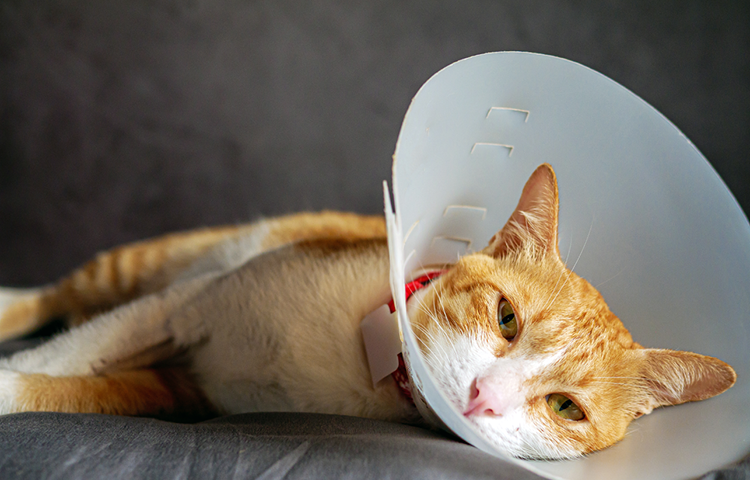
Dog fights, cat altercations and encounters with wildlife are a regular source of emergency vet visits, especially for free-roaming cats and dogs in suburban or semi-rural areas. Bite wounds are deceptive. What looks like a small puncture on the surface often conceals a much larger wound underneath, as an animal’s teeth and jaws can compress skin over significant tissue damage. Infection can set in rapidly, and some wounds cause injuries to underlying organs.
Even if the wound appears minor, have your vet assess it the same day. Bite wounds are frequently more extensive than they look, and bacteria introduced from another animal’s mouth can cause serious infection or abscess within 24–48 hours. Your vet will clean the wound, assess for deeper damage, and prescribe antibiotics as needed. Don’t apply human antiseptics like tea tree oil or hydrogen peroxide – these can be harmful to pets.
Australia’s climate makes heatstroke a serious and recurring risk for pets, particularly dogs. It can happen faster than most owners expect. A dog left in a parked car on a 25°C day can reach dangerous body temperatures within minutes. But cars aren’t the only hazard: dogs exercised in high heat, left on concrete in direct sun, or kept in poorly ventilated spaces are all at risk. Brachycephalic breeds (Bulldogs, Pugs, French Bulldogs, Boxers) are especially vulnerable due to their restricted airways.
Move your pet to a cool, shaded area immediately. Apply cool (not ice cold) water to the body – particularly the neck, armpits and groin – and use a fan if available. Offer small amounts of cool water to drink if they’re conscious and able to swallow. Do not use ice or ice water directly on the skin, as this can cause blood vessels to constrict and trap heat in the body. Call your vet immediately – even if your pet appears to recover, heatstroke causes internal damage that must be assessed by a vet.
Cats are less commonly affected by heatstroke than dogs, but older cats, overweight cats, and flat-faced breeds like Persians and British Shorthairs are still at risk during extreme heat. Make sure cats always have access to shade, fresh water and a cool surface to rest on.
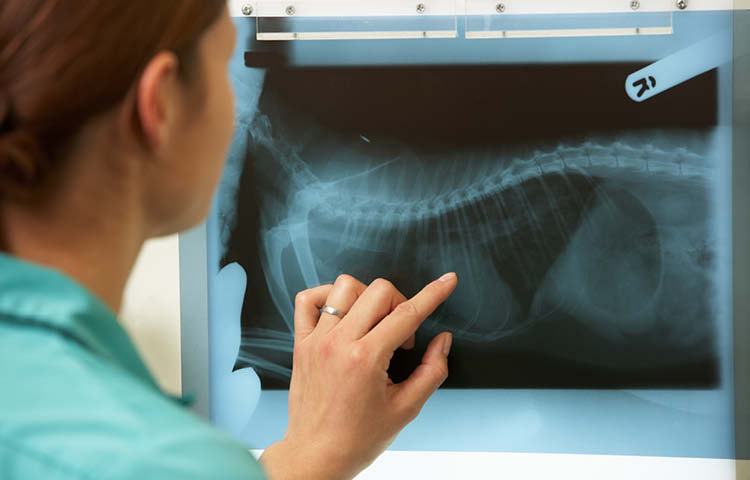
Dogs eat things they shouldn’t. It’s a fact of life. Socks, corn cobs, toy squeakers, underwear, stones, string, and bones are among the most commonly retrieved items from canine digestive tracts. Some objects pass through without incident. Others cause partial or complete intestinal obstructions – blockages that can become life-threatening within hours if left untreated. Cats are more selective, but they’re prone to ingesting linear foreign bodies like string, wool or hair ties, which are particularly dangerous.
If you witnessed your pet swallow something or strongly suspect they have, contact your vet straight away. Do not wait for symptoms to develop – the earlier an obstruction is identified, the more treatment options are available (including non-surgical options). If you can see string or thread hanging from your pet’s mouth or coming from the back end, do not pull it – this can cause serious internal damage. Get to a vet immediately.
Witnessing a pet have a seizure for the first time is an alarming experience. Seizures can look very different depending on their severity – from brief muscle twitching or staring into space, to full convulsions with loss of consciousness, involuntary paddling of legs and loss of bladder or bowel control. Epilepsy is the most common cause in dogs, but seizures can also result from toxin exposure, brain injury, metabolic disorders, heatstroke and other underlying conditions. A first seizure always warrants veterinary investigation.
Stay calm and keep your pet safe from injury – move furniture or hard objects away, but do not restrain them or put your hands near their mouth. Contrary to popular belief, pets cannot swallow their tongue during a seizure. Time the episode if you can, and note any details (duration, behaviour before and after). Most seizures last under two minutes and stop on their own. If a seizure lasts more than five minutes, or your pet has multiple seizures in quick succession, this is a medical emergency – get to a vet immediately. All first-time seizures should be assessed by a vet, even if your pet appears to recover fully.

If in doubt, call your vet. You will never be judged for calling about something that turns out to be minor. But waiting too long on something serious can have permanent consequences. When it comes to pets, err on the side of acting.
Emergencies are, by definition, unexpected. You can’t prevent all of them – but you can be the kind of owner who recognises what’s happening quickly, stays calm, and gets their pet to care before the window closes.
The six situations in this article account for a huge proportion of emergency vet visits across Australia. Knowing the signs doesn’t take medical training – it just takes a bit of awareness and the willingness to act when something doesn’t seem right.
Trust your instincts. If something feels wrong with your pet, it probably is. Call first and ask questions – that’s what vets are there for.
Emergency vet bills can run into thousands of dollars. Pet insurance means you can say yes to treatment without hesitating over the cost.
Get a quote for your dog or cat
This article is intended for general informational purposes only and does not constitute veterinary advice. In any situation involving your pet’s health, always contact a qualified veterinarian. In an emergency, contact your vet, nearest emergency animal hospital, or the Animal Poisons Helpline Australia immediately.