
Your pet will get older. Their risk of illness will too. Accident-only cover is not enough
Accident-only cover may not be enough as your pet gets older. See why planning for illness cover early can matter.
Read more2 June 2026
Most pet owners don’t think much about emergencies… until they’re suddenly sitting in one.
One minute your dog is happily chasing a ball at the park. The next, they’re limping, vomiting, or you’ve caught them sneaking something they definitely shouldn’t have eaten.
It’s stressful, fast-moving, and usually happens when you least expect it.
Across Australia, emergency vet clinics see these situations every single day — from big city hospitals to regional after-hours clinics. And one of the biggest surprises for first-time pet owners isn’t just what happens… but how quickly costs and decisions escalate.
Let’s break down what Aussie pet owners often wish they knew earlier.
Jump to
It’s a pretty common mindset: “It probably won’t happen to my pet.”
But vets across Australia would tell you otherwise.
Pets are curious, active, and occasionally… a bit reckless.
That means accidents and sudden illnesses are simply part of pet life — not rare exceptions.
Here are some of the most frequently seen emergency cases in Australian vet clinics:
This is one of the most common emergency presentations.
Dogs often ingest:
Even small amounts can require urgent treatment depending on the toxin.

Dog parks are great for socialisation… but they can turn quickly.
Common issues include:
Even friendly play can sometimes go a bit far.
These often happen through:
Cruciate ligament injuries (similar to ACL injuries in humans) are especially common in dogs and often require surgery.
Outdoor cats are particularly vulnerable near roads.
Common outcomes include:
These cases often require immediate, intensive care.
Australia’s unique wildlife brings its own risks.
Dogs exploring long grass or bushland may encounter snakes, with bites causing:
These are always urgent, time-sensitive cases.
Here’s something many owners only learn in the moment: emergencies rarely happen at 2pm on a Tuesday.
Instead, they tend to show up:
That’s why emergency vet hospitals exist — they run 24/7 because urgent cases don’t follow business hours.
Here’s how a typical emergency visit unfolds:
Important: each step is separate — costs can stack quickly in urgent situations.
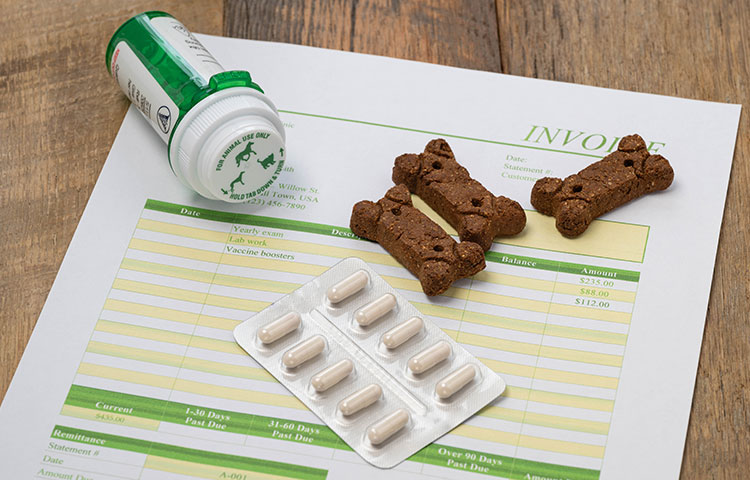
Based on guidance from Australian veterinary organisations like the Australian Veterinary Association (AVA) and emergency veterinary clinics such as Greencross Vets Emergency, typical costs include:
Emergency clinics also note that complexity, location, and timing all influence final costs.
| Service Type | Typical Cost Range | When It Happens |
|---|---|---|
| Regular vet visit | $80 – $150 | Routine checks, vaccinations |
| Emergency consultation | $150 – $400+ | Urgent illness or injury |
| After-hours emergency visit | $200 – $500+ | Nights, weekends, holidays |
| Surgery (emergency) | $2,000 – $6,000+ | Fractures, blockages, trauma |
| Hospitalisation | $500 – $2,000+ per day | Intensive monitoring care |
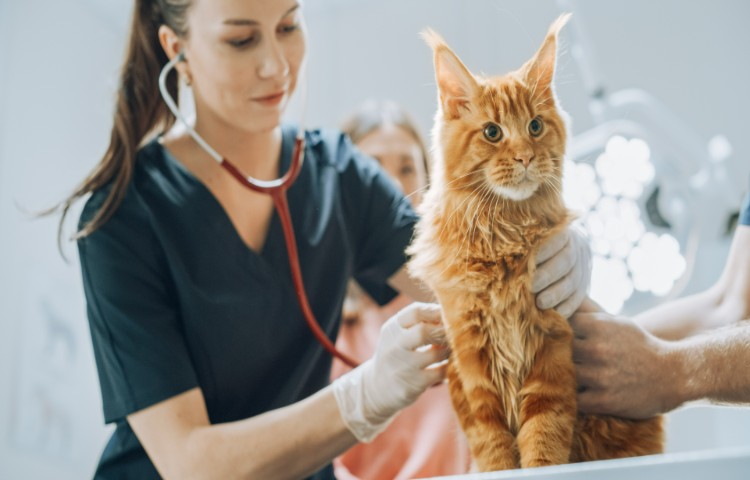
Most pet owners don’t expect their first emergency bill to look like that.
A few reasons why:
It’s not about poor planning — it’s just something people don’t experience until they do.
Some owners choose to prepare with savings or pet insurance, which may help with eligible emergency costs depending on the policy terms, waiting periods, and exclusions (like pre-existing conditions).
You can’t prevent every emergency, but you can make them easier to manage:
Even small preparation steps can reduce stress massively in the moment.
No one brings a pet into their life expecting emergency vet visits — but for most Aussie pet owners, they’re part of the journey at some point.
What surprises people most isn’t just the situation itself, but how quickly it unfolds and how fast costs can add up.
The good news? A bit of awareness goes a long way. Knowing what’s common, what to expect, and where to go can make a stressful situation feel a lot more manageable.
And while nothing replaces good everyday care and attention, having support options in place — like CoverMy pet insurance — can help take some of the pressure off when the unexpected happens.
Because in the end, it’s all about getting your pet the care they need, without the panic doing all the talking.
Get pet insurance quote online
Sources