
Why do cats love looking out the window?
Is your cat glued to the window? Discover why cats love watching the outside world and what it means for their behaviour
Read more8 July 2026
First published in PerthNow on June 25.
A Perth dog owner has been stung with a whopping bill but new research suggests that the hefty cost may be partly due to the breed of dog she chose to buy.
Willetton resident Judy was left staring down a $13,000 vet bill after her beloved golden retriever puppy, Harvey, was diagnosed with a luxating patella.
“I first noticed something was up with him in February last year, so he was just getting some random intermittent lameness in his back left leg when he was just over a year old,” Judy told PerthNow.
“Luxating patella is super rare in golden retrievers and super rare in big dogs, it’s usually a small dog issue.”
“It was devastating, to be honest. I felt really sad for him because I knew he’s such an awesome happy dog and I knew having to keep him chill for the recovery time was going to be really really rough on him.”
The painful condition, which causes the kneecap to move out of place, required urgent surgery to prevent further damage to his cruciate ligament. Between scans, medication and months of follow-up treatment, the costs quickly piled up. Judy was no stranger to unexpected vet bills. A previous trip to the vet with her Ragdoll cat, Lily, left her scrambling to borrow $1000 from a friend to cover the cost of treatment.
Fortunately, she had pet insurance for Harvey, which covered 80 per cent of his $13,000 bill.
“It was a massive relief to have it covered, it wasn’t just the surgery, they covered the diagnostic scans, all of his rehab, so after the 8 weeks of rest he had to have 8 weeks of hydrotherapy and physio, they covered 80 per cent of that and 80 per cent of all of his sedation meds which were about $400 a fortnight,” she said.
Her experience aligns with new research from CoverMyPet, which found both golden retrievers and Ragdoll cats are among the breeds most likely to generate costly vet claims.
Despite now knowing that golden retrievers are one of the breeds that often faces hefty vet bills, Judy emphasised that it wouldn’t change her decision to get a golden retriever as a pet.
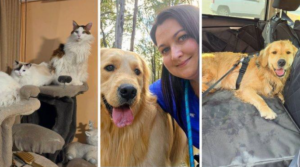
“It was either going to be a Labrador or a golden retriever because they’re known for being happy friendly dogs and then I wanted something fluffy because I like fluffy things,” she said.
“It absolutely wouldn’t change my decision to get a retriever again … his surgeon said that they’ve done two or three surgeries on this condition on retrievers in the last ten years … it’s not a common thing and I think with the obsessive amount of research I did finding a good breeder and making sure they’re doing all the right things, I think I can avoid the normal hereditary conditions that golden retrievers get.”
Analysis by the Australian pet insurer also found WA pet owners are the third most likely in the country to make an insurance claim, highlighting the growing cost of keeping pets healthy. The data looks at pet insurance claims made in the past six months for each dog breed — it showed that retrievers, Staffordshire Bull Terriers, and cavalier King Charles Spaniels round out the top five of most insurance claims on vet visits. When it comes to cats, Ragdolls, Burmese, British Shorthair and Bengal breeds are in the top five after generic domestic cats top the list on most pet insurance claims for felines.

“Australians can’t get enough of these breeds but often don’t realise the vet costs they could be in for, as a result of their genetics,” said CoverMyPet General Manager Grant Pugh.
“It’s surprising more of the increasingly popular designer breeds didn’t make the top five as they can inherit health challenges from both parent breeds, leading to costly vet visits.”
Judy wants to advocate for ethical breeding and encourage potential pet buyers not to buy the first prospect puppy they find, as she believes that can also contribute to high vet bills.
“Before getting a puppy, do your research and find a good breeder, find an ethical breeder because it can help prevent hereditary conditions,” she said.